

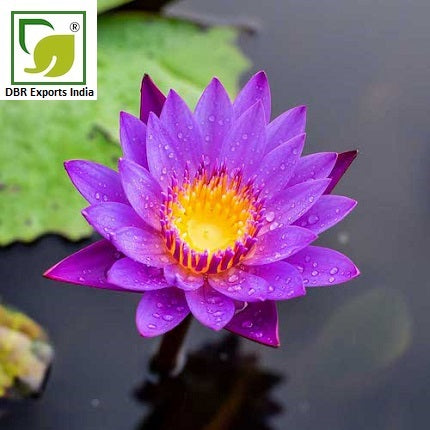

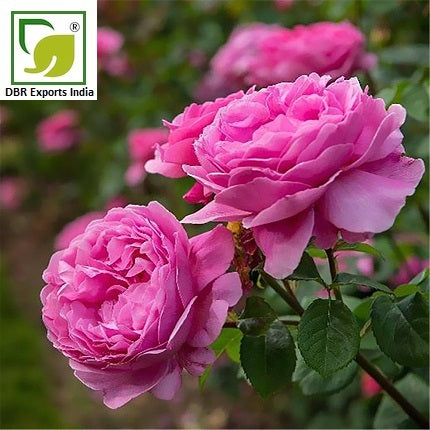

Jasmine vs Lavender Essential Oil: Benefits, Uses & Formulation Guide for Cosmetic Brands

Both jasmine and lavender essential oils deliver proven relaxation benefits — but they do it differently. Lavender works through sedation and nervous system calming, making it ideal for sleep-focused formulations. Jasmine operates more like a mood elevator, reducing anxiety while maintaining a gentle alertness. For cosmetic formulators, the choice depends on your product's end benefit: deeper sleep blends lean towards lavender; stress-relief and mood-lift formulations lean towards jasmine.
The Question Every Formulator Asks at Least Once
You're sitting with two raw material samples on your bench. One smells like the French countryside at dusk. The other like a warm Indian summer night. Both carry therapeutic promises. Both come with supplier quotes, safety data sheets, and a dozen conflicting Reddit threads about which one is "better."
Here's the honest answer — there is no single winner. But there is a right choice for your formulation brief, and getting that right can be the difference between a product that sells and one that sits on shelves.
Let's break it down the way formulators actually need it broken down.
"The art of healing comes from nature, not from the physician." — Paracelsus
This 16th-century physician said it before essential oils had a marketing budget. Centuries later, the cosmetic industry is finally catching up to what traditional practitioners already knew.
The U.S. Market Context You Can't Ignore
Before you choose your next aroma active, consider where the market is heading. The U.S. essential oil market is estimated to reach USD 11.65 billion in 2026, projected to hit USD 24.22 billion by 2034 — driven in large part by the expansion of applications in cosmetics and personal care. Market Data Forecast
More specifically for your sourcing decisions: the cosmetic oil market globally is assessed at USD 67.38 billion in 2026, with North America expected to grow at the fastest rate, driven by a strong client base spending on premium personal care products. Research Nester
And within that, Jasmine is not a niche play anymore. The global jasmine essential oil market was valued at $1.8 billion in 2025 and is projected to reach $3.6 billion by 2034, growing at a CAGR of 7.8%, driven by robust demand from the personal care and cosmetics industries. Dataintelo
Meanwhile, the natural ingredients push is real and measurable. Approximately 47% of premium cosmetic brands in the U.S. are launching product lines centered on essential oil blends, with strong growth in lavender-based formulas. Global Growth Insights
And the consumer pull is not slowing down either. The North American essential oils market was valued at USD 3.39 billion in 2025 and is estimated to reach USD 3.71 billion in 2026. Fortune Business Insights
Jasmine Essential Oil: The Anxiolytic Powerhouse
Jasmine (Jasminum grandiflorum or Jasminum sambac) is one of the most labor-intensive oils to produce. It takes roughly 8,000 hand-picked flowers to yield just 1 gram of absolute, which is why genuine jasmine commands a premium. That price point, however, is justified in premium positioning.
From a formulation standpoint, jasmine's main relaxation mechanism is different from lavender's. According to psychologist and sleep specialist Dr. Rubin Naiman at the University of Arizona, jasmine is as effective as medications for managing anxiety. Since so many sleep problems are rooted in anxiety, reducing anxiety can help with sleep.
A landmark study found jasmine oil to be more effective than valium for inducing calm, without the dependency concerns. That's a claim no artificial aroma can make.
For cosmetic formulators, jasmine works exceptionally well in:
-
Face serums and moisturizers targeting stress-related skin conditions
-
Body oils and massage blends for spa-positioned brands
-
Candles and room sprays in the wellness category
-
Sleep-adjacent products like pillow mists and bath soaks
Botanical profile: Sweet, warm, floral. Blends beautifully with sandalwood, bergamot, ylang ylang, and rose.

Lavender Essential Oil: The Clinically Backed Classic
Lavender (Lavandula angustifolia) has the deepest clinical literature of any relaxation oil. For formulators, it's the safest bet when your marketing team needs substantiation.
Research suggests lavender may help decrease the time it takes to fall asleep, improve sleep duration, and increase restorative slow-wave sleep. A 2010 study also determined lavender essential oil to be a safe and effective alternative to benzodiazepines for relieving anxiety.
It's also versatile across applications — anti-inflammatory properties make it functional in skincare beyond aroma.
For cosmetic formulators, lavender belongs in:
-
Sleep-focused topical blends (body butters, roll-ons)
-
Soothing babies' and sensitive skin lines
-
Anti-stress toners and mists
-
Wellness supplement-adjacent topicals
Botanical profile: Light, herby, clean. Pairs well with chamomile, cedarwood, clary sage, and eucalyptus.
Side-by-Side: Jasmine vs Lavender for Cosmetic Formulation
|
Parameter |
Jasmine Essential Oil |
Lavender Essential Oil |
|
Primary Effect |
Anxiolytic, mood-lifting |
Sedative, sleep-promoting |
|
Aroma Profile |
Warm, sweet, floral |
Cool, herby, fresh |
|
Clinical Evidence |
Strong (anxiety, CNS calm) |
Very strong (sleep, anxiety) |
|
Cost Level |
Premium to High |
Moderate |
|
Formulation Stability |
Moderate – needs encapsulation or fixative |
High – stable across formats |
|
Best Use Case |
Stress-relief, mood, luxury positioning |
Sleep, baby, sensitive skin |
|
Blending Versatility |
Moderate – dominant note |
High – background enhancer |
|
Consumer Familiarity (USA) |
Growing |
Very High |
|
B2B Sourcing Complexity |
Higher – India/Egypt origins |
Lower – broad supplier base |
|
Clean Beauty Compatibility |
Excellent |
Excellent |
What About Jasmine Essential Oil Substitutes?
This is a legitimate sourcing question, especially when Indian monsoon seasons or harvest yields affect availability.
Common jasmine essential oil substitutes used by formulators include:
-
Ylang Ylang — shares the floral sweetness and anxiolytic properties, though the aroma is heavier and more tropical. Use at lower concentrations (0.5–1%) to avoid overpowering the blend.
-
Benzyl Acetate (isolated) — the key chemical constituent of jasmine, this artificial isolate can replicate the aroma in cost-sensitive formulations but loses the full therapeutic profile.
-
Sambac Absolute — the sister species to grandiflorum, often more accessible and slightly more indolic in character. A near-direct substitute for most applications.
-
Neroli Essential Oil — citrus-floral, with similar mood-brightening and anxiolytic properties. Different aroma families but comparable functional benefits.
-
Clary Sage — less sweet, more herbal, but shares the sedative and emotional-balancing profile.
Sourcing Jasmine Essential Oil: Why India Matters
If you're looking to buy jasmine essential oil in bulk for B2B formulation purposes, India should be your first conversation. The Madurai region of Tamil Nadu is the world's most significant producer of Jasminum sambac, accounting for the majority of the global supply.
Working directly with essential oil exporters in India allows you to:
-
Access lower MOQs compared to European intermediaries
-
Obtain GC-MS-tested material with full traceability documentation
-
Source organically certified material for clean beauty lines
-
Negotiate seasonal pricing based on harvest calendars
When evaluating Indian suppliers, the key quality checks are a GC-MS report (linalool acetate and linalool percentages for lavender; benzyl acetate and benzyl benzoate ratios for jasmine), specific gravity, optical rotation, and microbial count compliance.
Final Verdict:
Both oils belong in your toolkit. The question is never which one is universally better—it's which one fits your brief, your positioning, and your consumer's expectation.
Choose jasmine when you're building premium, sensorial, mood-elevation products. Choose lavender when you need clinical substantiation and broad consumer recognition. Consider both in layered blends; together, they create a full-spectrum relaxation profile that neither delivers alone.

DBR Exports India: Delivering Purity, Quality, and Global Trust
DBR Exports India is a professionally run organization involved in the manufacturing, supply, and export of natural oils and other oils pertaining to cosmetics, perfumery, and aromatherapy. Whether you are looking to buy jasmine essential oil in bulk or source verified material from trusted essential oil exporters in India, DBR Exports India brings decades of expertise to every order.
The company is built on some foundational principles:
Teamwork & Trust — Strong teamwork and mutual trust create lasting partnerships and reliable service for clients across the USA and global cosmetic markets.
Ethics — Every function of the business is guided by strong ethical values, ensuring consistent quality, transparent documentation, and honest trade practices.
The belief at DBR Exports India is simple: a business run with honesty in all its functional areas has no limit to growth. For formulators looking to build clean, effective, and globally compliant cosmetic products, that kind of supply chain partnership is not optional — it's essential.
FAQs
Q1: Is jasmine essential oil better than lavender for anxiety and stress relief?
It depends on the type of stress you’re targeting. Jasmine is better for emotional anxiety and mood lifting without causing drowsiness. Lavender works more for physical stress like muscle tension and sleep issues, and both can be combined for full relaxation support.
Q2: Where can I buy jasmine essential oil in bulk for cosmetic formulation?
You can source it directly from exporters in India, especially Tamil Nadu, or through verified USA-based wholesale distributors. Always check COA, GC-MS reports, and IFRA compliance before purchasing bulk for cosmetic use.
Q3: What is the best jasmine essential oil substitute for cosmetic formulations?
Ylang ylang is the closest aroma substitute, while clary sage and neroli offer similar calming benefits. For aroma-only needs, benzyl acetate can mimic jasmine’s note, but it lacks full therapeutic effects.
Disclaimer
The information (in any manner) on this website of DBR Exports India (DEI) is provided for informational purposes only and not intended to cure, diagnose or treat any medical conditions or to substitute medical or health care professional advice. The user has to bear sole responsibility for using our products and its results. DEI makes no warranty, expressed or implied of merchantability or fitness of any product on this website for a particular use or purpose. DBR Exports India, its employees, shareholders or affiliates is/are not at all responsible in any ways for the use/misuse of information provided on this website or for adverse effects while or after using any of our Products.

Leave a comment